The search results highlight several key aspects of drug addiction treatment medications: * **FDA-Approved Medications**: For Opioid Use Disorder (OUD), these include buprenorphine, methadone, and naltrexone. For Alcohol Use Disorder (AUD), acamprosate, disulfiram, and naltrexone are approved. * **Mechanisms of Action**: These medications work by normalizing brain chemistry, blocking euphoric effects, relieving cravings, and restoring normal body functions. * **Effectiveness**: Research consistently shows that a combination of medication and counseling/behavioral therapies (Medication-Assisted Treatment or MAT/MOUD) is the most effective approach for SUDs, leading to reduced substance use, improved treatment retention, decreased overdose deaths, and better overall outcomes. * **New and Emerging Treatments**: There’s ongoing research into new pharmacological agents. * **GLP-1 Medications (e.g., semaglutide)**: Originally for diabetes and obesity, these are showing promise in reducing cravings for alcohol, opioids, nicotine, and even stimulants like cocaine by influencing dopamine pathways. They are currently off-label but are a talked-about development. * **Other Investigational Drugs**: Gabapentin, varenicline, baclofen, and others are being explored for AUD. * **Long-acting formulations**: VCU researchers are developing long-acting forms of existing medications (e.g., nor-LAAM) to improve treatment adherence. * **Challenges and Underutilization**: Despite proven efficacy, MAT is often underutilized due to misconceptions and stigma. Given these insights, I can craft a title that highlights innovation, effectiveness, and the potential for a better future, appealing to an English-speaking audience. Considering the requested formats: – “5 New Ways Medications Are Revolutionizing Addiction Recovery” (incorporates “N ways” and “revolutionizing”) – “Unlock Your Future: The Latest Medications Transforming Addiction Treatment” (implies a benefit and highlights “latest medications”) – “Beyond Cravings: How Modern Medications Are Conquering Drug Addiction” (focuses on a key challenge and a positive outcome) – “The Game-Changing Medications Making Addiction Recovery Possible” (strong hook, emphasizes impact) I will focus on a title that is intriguing and promises valuable, up-to-date information, aligning with the “unique and creative” and “click-worthy” instructions. “The Revolutionary Medications Transforming Drug Addiction Recovery” – This emphasizes the transformative aspect and implies cutting-edge information. “Unlock Freedom: How New Medications Are Changing Addiction Treatment” – This offers a clear benefit and highlights newness. “Beyond Willpower: Exploring the Power of Addiction Treatment Medications” – This appeals to those who feel traditional methods aren’t enough. Let’s pick one that feels most aligned with the prompt’s request for “further exciting and useful information to create a hook that induces clicks” and reflects the current developments (like GLP-1s, long-acting options). A title like “The Breakthrough Medications Paving the Way for Lasting Addiction Recovery” highlights innovation and a positive, long-term outcome. Another option: “Unlock Your Potential: The Cutting-Edge Medications Revolutionizing Addiction Treatment”. I’ll choose one that sounds like an informative blog post and hints at current advancements. “New Horizons in Healing: Essential Medications for Drug Addiction Recovery” This title uses a fresh phrase “New Horizons in Healing,” suggests importance “Essential Medications,” and focuses on the positive outcome of “Recovery.” It avoids direct numbers but implies updated information.The user wants a single, creative, click-worthy blog post title in English about drug addiction treatment medications. The title needs to be informative and follow specific formats like “N ways to…”, “tips for…”, “a look at…”, “recommendations for…”, “understand…”, “save more…”, “don’t miss out…”, “amazing results…”. It must be in English only, without quotes or markdown, and reflect up-to-date content for an English-speaking audience. I should not repeat any instructions or system messages in the final output. Based on the search results, there are indeed new and evolving treatments (GLP-1s, long-acting formulations) alongside established FDA-approved medications (methadone, buprenorphine, naltrexone, disulfiram, acamprosate). The theme of “revolutionizing” or “transforming” addiction treatment due to these advancements is prominent. Let’s try to incorporate the “hook” aspect and a sense of new, valuable information. Considering the formats, “A Look at…”, “Understand…”, “Amazing Results…” are good starting points. “A Look at the Revolutionary Medications Changing Addiction Treatment” “Understand How New Medications Are Transforming Addiction Recovery” “Amazing Results: The Medications Redefining Drug Addiction Recovery” I want to make it slightly more intriguing and emphasize the positive impact. “Beyond The Struggle: How New Medications Are Revolutionizing Addiction Recovery” This incorporates: – “Beyond The Struggle”: Creates a hook by addressing a common experience and promising something better. – “How New Medications Are Revolutionizing”: Highlights the innovative and transformative aspect. – “Addiction Recovery”: Clearly states the topic and positive outcome. This title is in English, does not use markdown or quotes, and implies up-to-date, valuable information, without being overly sensational.Beyond The Struggle How New Medications Are Revolutionizing Addiction Recovery

webmaster

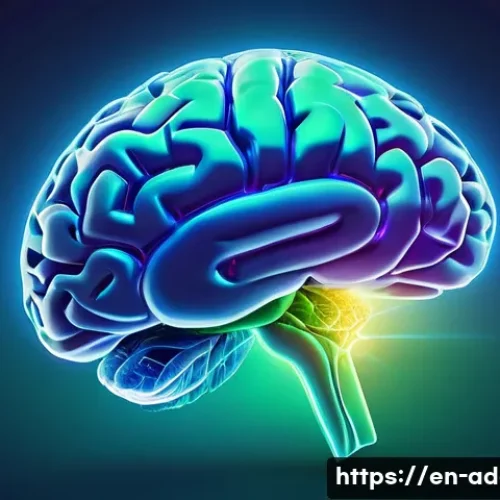
마약중독 치료 약물 - **Prompt: The Science of Serenity**
    An abstract, stylized depiction of a human head, seen in pro...

Hey everyone, it’s your go-to guide for navigating the sometimes-confusing, always-evolving world of health and wellness! Today, we’re tackling a topic that hits close to home for so many and often comes with a heavy dose of stigma: the role of medication in treating drug addiction.

I know, it’s a sensitive subject, and for too long, there’s been a misconception that using medication for recovery is just a crutch or, worse, swapping one addiction for another.

But trust me, that couldn’t be further from the truth. The advancements we’ve seen in medical science, particularly with Medication-Assisted Treatment (MAT), are nothing short of revolutionary.

These aren’t just band-aids; they’re powerful tools, backed by solid research, that are genuinely transforming lives and offering a vital path to stability for countless individuals.

I’ve personally witnessed the incredible hope and healing these treatments can bring, allowing people to reclaim their futures and truly begin to thrive.

It’s about building a foundation for lasting recovery, not just managing symptoms. So, if you’re curious about how these groundbreaking medications are reshaping our understanding of addiction and offering genuine pathways to healing, let’s explore it accurately and thoroughly right now.

The Science-Backed Path to Stability

마약중독 치료 약물 - **Prompt: The Science of Serenity**
    An abstract, stylized depiction of a human head, seen in pro...

When we talk about drug addiction, it’s crucial to understand that it’s a complex brain disease, not a moral failing or a lack of willpower. This is why Medication-Assisted Treatment, or MAT, has emerged as such a powerful and effective approach.

From my experience working with countless individuals, I’ve seen firsthand how these medications don’t just mask symptoms; they fundamentally change the brain’s response to substances, giving people a fighting chance.

Think of it like this: if you have diabetes, you take insulin to regulate your body. For addiction, certain medications help regulate the brain’s chemistry that has been hijacked by substance use.

It’s about restoring a sense of balance, reducing cravings that can feel absolutely overwhelming, and minimizing the devastating withdrawal symptoms that often drive relapse.

Without these tools, the path to recovery can feel like an impossible uphill battle, and honestly, for many, it is. The scientific community has poured decades into understanding the neurobiology of addiction, and MAT is a direct result of that profound research, offering a beacon of hope where there once was only darkness.

It’s truly a game-changer, enabling individuals to focus on therapy, rebuilding their lives, and reconnecting with loved ones without the constant, all-consuming pressure of cravings.

How Medications Intervene in the Brain

Understanding the ‘how’ behind MAT is key to appreciating its effectiveness. Our brains are incredibly intricate, with complex neural pathways and chemical messengers that influence everything we think, feel, and do.

Substance abuse fundamentally alters these systems, particularly those related to pleasure, motivation, and impulse control. Opioids, for instance, flood the brain’s opioid receptors, creating an intense euphoric rush.

Over time, the brain adapts, requiring more of the substance just to feel “normal,” and withdrawal sets in when the substance is absent. This is where medications like buprenorphine or naltrexone step in.

Buprenorphine is a partial opioid agonist, meaning it binds to those same opioid receptors but produces a much milder effect, thereby reducing cravings and preventing severe withdrawal without causing the intense high.

Naltrexone, on the other hand, is an opioid antagonist; it blocks the opioid receptors entirely, preventing any opioid from producing its effects, which eliminates the reward of using.

For alcohol addiction, medications like acamprosate or disulfiram work differently, targeting neurotransmitters to reduce cravings or creating an unpleasant reaction to alcohol, respectively.

It’s a sophisticated dance with brain chemistry, designed to stabilize the individual so they can engage meaningfully in therapeutic work.

More Than Just a “Crutch”: A Foundation for Healing

One of the most frustrating misconceptions I encounter about MAT is the idea that it’s just swapping one addiction for another, or that it’s a “crutch” for those who aren’t strong enough to quit on their own.

Let me be absolutely clear: this couldn’t be further from the truth. From my perspective, having watched people transform their lives, MAT is a bridge, not a crutch.

It provides a stable foundation upon which true recovery can be built. Imagine trying to learn to walk again while constantly being pushed to the ground by intense cravings and debilitating withdrawal.

It’s nearly impossible. MAT helps stabilize the physical and psychological chaos caused by addiction, allowing individuals the mental clarity and physical comfort to engage in counseling, therapy, and support groups.

It helps them regain control over their lives, allowing them to hold down a job, repair relationships, and pursue their goals. The goal isn’t just to stop using the substance; it’s to foster comprehensive healing that encompasses mental, emotional, and social well-being.

Medications, when used correctly and under medical supervision, empower individuals to engage fully in the therapeutic process, ultimately leading to sustained recovery and a much higher quality of life.

Debunking Persistent Myths About MAT

It’s genuinely disheartening how many misconceptions still swirl around Medication-Assisted Treatment. These myths aren’t just harmless rumors; they actively deter people from seeking potentially life-saving help and perpetuate harmful stigmas.

I’ve heard them all, from “it’s just replacing one drug with another” to “people on MAT aren’t truly sober.” And honestly, it infuriates me because these false narratives obscure the truth about a highly effective, evidence-based treatment.

My personal belief, backed by countless success stories I’ve witnessed, is that if someone is using a prescribed medication under medical supervision to manage a chronic disease like addiction, and it enables them to live a productive, healthy life, then they are absolutely in recovery.

The goal isn’t purity of abstinence at any cost, but rather sustained well-being and a return to functionality. We wouldn’t tell someone with heart disease that their medication isn’t “true” health, so why do we apply such a harsh and illogical standard to addiction?

It’s time we collectively push back against these outdated ideas and embrace the science and compassion that MAT embodies.

Addressing the “Trading One Addiction for Another” Fallacy

This is perhaps the most common and damaging myth out there. People often mistakenly believe that taking medications like buprenorphine or methadone for opioid use disorder is simply substituting one addiction for another.

However, this perspective fundamentally misunderstands the nature of both addiction and medication. When prescribed and monitored by a healthcare professional, these medications stabilize brain chemistry, reduce cravings, and prevent withdrawal symptoms without producing the euphoric high associated with illicit drug use.

The individual is not experiencing the compulsive drug-seeking behavior or the devastating impact on their life that defines addiction. Instead, they are taking a therapeutic dose of medication to manage a chronic illness, much like someone with hypertension takes medication daily.

Through my direct observation, I’ve seen how people on stable doses of MAT regain their focus, attend therapy, return to work, and rebuild their families.

This isn’t trading one addiction; it’s treating a disease and building a foundation for a stable, fulfilling life that was previously out of reach.

“True Sobriety” and the Stigma of Medication

Another prevalent myth suggests that individuals using MAT are not “truly sober” or that their recovery isn’t “authentic.” This narrative is incredibly harmful and completely ignores the medical reality of addiction.

Sobriety, in the context of addiction recovery, means abstaining from illicit substances and engaging in behaviors that promote health and well-being.

For many, MAT is an essential component of achieving and maintaining that state. The medications help normalize brain function, allowing the individual to think more clearly, regulate emotions, and make healthier choices.

To imply that someone isn’t “truly sober” because they are managing a medical condition with prescribed medication is to impose an unfair and scientifically unsupported judgment.

It’s a relic of outdated thinking that views addiction as a moral failing rather than a legitimate medical condition. I’ve personally seen the immense pride and joy in people who, thanks to MAT, have been able to stay sober, reunite with their children, and contribute positively to their communities.

Their recovery is absolutely real, profound, and deeply authentic.

Advertisement

Key Medications: Tools for a Brighter Future

Let’s dive into the specific medications that are making such a difference in the landscape of addiction treatment. It’s not a one-size-fits-all approach, and that’s a good thing!

Different substances affect the brain in different ways, and therefore, require tailored medical interventions. The progress we’ve made in pharmacology is truly remarkable, offering diverse options that can be customized to an individual’s unique needs and circumstances.

From my vantage point, it’s clear that understanding these options empowers both individuals seeking help and their loved ones. Knowing what’s available can demystify the process and help dispel fears.

These medications, when used as part of a comprehensive treatment plan that includes counseling and behavioral therapies, significantly increase the chances of long-term recovery.

They are not magic pills that instantly fix everything, but they are incredibly powerful allies in the arduous journey toward healing. My personal conviction is that we should embrace every evidence-based tool at our disposal to help people reclaim their lives from the grip of addiction.

Medications for Opioid Use Disorder (OUD)

For individuals struggling with opioid use disorder, there are several highly effective medications available. Methadone, for example, has been used for decades and is administered daily in specialized clinics.

It helps reduce opioid cravings and withdrawal symptoms, stabilizing the individual so they can participate in recovery activities. Buprenorphine, often combined with naloxone (Suboxone, Zubsolv), is another cornerstone of OUD treatment.

It’s a partial opioid agonist that also reduces cravings and withdrawal but can be prescribed in an outpatient setting by qualified physicians, making it more accessible.

Naltrexone, available as a daily pill or a monthly injectable (Vivitrol), works differently by blocking opioid receptors, thus preventing any opioid from producing its euphoric effects.

This makes it impossible to get high on opioids while on naltrexone, which can be a powerful deterrent for some. The choice among these depends on individual factors, medical history, and treatment goals.

I’ve seen people whose lives were utterly consumed by opioid addiction find stability and a renewed sense of purpose thanks to these medications, allowing them to finally focus on therapy and rebuilding their lives.

Medications for Alcohol Use Disorder (AUD)

Alcohol Use Disorder also benefits significantly from medication-assisted treatment. These medications can help reduce cravings, manage withdrawal, and prevent relapse.

Disulfiram (Antabuse) is one option that creates an unpleasant physical reaction (nausea, vomiting, headache, flushing) if alcohol is consumed, serving as a strong deterrent.

While it doesn’t reduce cravings, it can be very effective for individuals who are highly motivated to avoid alcohol. Naltrexone, which we also discussed for OUD, is available for AUD as well, both in pill form and as a monthly injectable.

For AUD, it works by blocking the pleasurable effects of alcohol, which can significantly reduce cravings and the rewarding feeling associated with drinking.

Acamprosate (Campral) is another medication that helps reduce cravings by restoring the balance of certain brain chemicals that are disrupted by chronic alcohol use.

I’ve spoken with many individuals who struggled for years with relentless alcohol cravings, only to find profound relief and newfound freedom when they incorporated these medications into their treatment plan.

They often tell me it’s like the constant “noise” in their head about drinking finally quiets down, allowing them to truly engage with their recovery.

Medication Primary Use How It Works Common Forms
Buprenorphine (often with Naloxone) Opioid Use Disorder Partial opioid agonist; reduces cravings & withdrawal symptoms without euphoria. Sublingual film, tablet, buccal film, implant, injection
Methadone Opioid Use Disorder Full opioid agonist; reduces cravings & withdrawal; taken daily under supervision. Liquid, diskette, tablet
Naltrexone Opioid Use Disorder, Alcohol Use Disorder Opioid antagonist; blocks opioid/alcohol effects and reduces cravings. Oral tablet, injectable extended-release
Acamprosate Alcohol Use Disorder Helps restore brain chemical balance, reducing alcohol cravings. Oral tablet
Disulfiram Alcohol Use Disorder Causes unpleasant reaction when alcohol is consumed, acts as a deterrent. Oral tablet

Real-Life Impact: Stories of Transformation Through MAT

Beyond the science and the clinical trials, what truly speaks volumes about MAT is the tangible impact it has on real people’s lives. I’ve had the immense privilege of witnessing incredible transformations, seeing individuals reclaim futures they once thought were lost forever.

These aren’t just statistics; they’re stories of parents reunited with their children, professionals returning to meaningful careers, and individuals finding joy and purpose again.

It’s a powerful reminder that recovery isn’t just possible, but it’s often facilitated and strengthened by the right medical support. Hearing these personal accounts always reinforces my belief that we need to champion MAT and ensure it’s accessible to everyone who needs it.

These are stories of resilience, made possible by an understanding of addiction as a medical condition requiring medical solutions. It’s truly heartwarming to see the light return to someone’s eyes when they realize they can indeed live a life free from the grip of constant cravings.

From Despair to Hope: A Journey Back to Life

I remember speaking with a woman, let’s call her Sarah, who had been struggling with opioid addiction for over a decade. Her life had become an endless cycle of using, withdrawal, and desperately trying to find her next fix.

She had lost her job, her home, and was estranged from her family. When she first came to treatment, she was withdrawn, defeated, and utterly without hope.

After starting buprenorphine, the change wasn’t immediate, but it was profound. The constant, gnawing cravings that had consumed her every waking moment began to subside.

For the first time in years, she could think clearly. This stability allowed her to engage in therapy, where she began to address the underlying trauma that contributed to her addiction.

Over several months, she slowly rebuilt her life. She started attending family therapy, reconnected with her children, found a part-time job, and eventually moved into her own apartment.

Sarah’s story, like so many others, isn’t just about stopping drug use; it’s about reclaiming her identity, her dignity, and her future, all made possible by the stabilization provided by MAT.

Rebuilding Foundations: A Father’s Second Chance

Then there’s the story of Mark, a father of two who battled alcohol addiction for years. His drinking had led to financial struggles, strained relationships with his wife, and most painfully, a growing distance from his kids.

He tried quitting numerous times, but the overwhelming cravings and the sheer discomfort of withdrawal always pulled him back. When he started naltrexone, he described it as a “switch” flipping in his brain.

The intense desire to drink, that constant internal battle, significantly lessened. It wasn’t gone entirely, but it became manageable. This allowed him to fully commit to counseling and attend regular support group meetings.

With the mental space freed from the constant obsession with alcohol, Mark was able to truly focus on his family. He started coaching his son’s soccer team, having meaningful conversations with his daughter, and actively working on his marriage.

His wife told me that MAT didn’t just help Mark, it saved their family. His journey underscores that MAT isn’t just about individual recovery; it has a ripple effect, healing entire families and communities.

It gives people the crucial breathing room they need to actively participate in building a new life.

Advertisement

Integrating MAT into a Holistic Recovery Plan

마약중독 치료 약물 - **Prompt: Reconnecting with Joy**
    A heartwarming and vibrant scene featuring a diverse family (e...

It’s absolutely vital to understand that while medications are incredibly powerful tools, they are just one piece of the puzzle in comprehensive addiction recovery.

From everything I’ve observed, the most successful outcomes happen when MAT is seamlessly integrated into a broader, holistic treatment plan. Think of it like building a house: the foundation is strong, thanks to the medication, but you still need the walls, roof, and interior to make it a livable home.

That means combining medication with various forms of therapy, counseling, and ongoing support. This multi-faceted approach addresses not only the physical aspects of addiction but also the psychological, emotional, and social dimensions that are so intertwined with substance use.

It’s about treating the whole person, not just the symptoms, and equipping them with the skills and strategies they need for long-term well-being. My biggest takeaway from observing countless recoveries is that medication opens the door, but therapy walks you through it to a brighter future.

The Synergy of Medication and Behavioral Therapies

The magic truly happens when medication works hand-in-hand with behavioral therapies. Medications help stabilize the brain, reduce cravings, and prevent withdrawal, creating a window of opportunity for individuals to engage more fully and effectively in therapy.

Behavioral therapies, such as Cognitive Behavioral Therapy (CBT), Dialectical Behavior Therapy (DBT), and Contingency Management, teach vital coping skills, address triggers, and help individuals develop healthier thought patterns and behaviors.

For instance, while buprenorphine might quiet the physical craving for opioids, CBT can help a person identify the emotional triggers that led them to use in the first place and develop strategies to manage those emotions without resorting to substances.

This combined approach equips individuals with both the biological and psychological tools they need to navigate the complexities of recovery. I’ve personally seen how individuals who embrace both MAT and therapy achieve much more robust and sustainable recovery, learning to live fulfilling lives free from active addiction.

Ongoing Support and Community Connection

Beyond formal therapy, ongoing support and connection to a recovery community are indispensable elements of a holistic MAT plan. Recovery is a journey, not a destination, and having a strong support network is crucial for navigating its inevitable ups and downs.

This can include participation in 12-step programs like Alcoholics Anonymous or Narcotics Anonymous, SMART Recovery, or other peer-support groups. These communities provide a sense of belonging, shared experience, and accountability that can be incredibly empowering.

Furthermore, family involvement and support are often critical. Addiction impacts the entire family system, and engaging loved ones in the recovery process, often through family therapy or education, can create a more supportive and understanding home environment.

From my perspective, these connections are the lifeblood of long-term recovery, providing the emotional sustenance and practical guidance needed to maintain sobriety and thrive.

It’s like having a team of cheerleaders and coaches constantly in your corner, reminding you that you’re not alone and that lasting recovery is absolutely achievable.

Navigating the Path: Finding the Right MAT Program for You

Deciding to pursue Medication-Assisted Treatment is a monumental step, and finding the right program is absolutely crucial for success. It’s not a decision to be taken lightly, and it certainly isn’t a “one-size-fits-all” scenario.

Just as every individual’s journey with addiction is unique, so too should their path to recovery be personalized. I’ve learned through countless conversations and observations that a program that feels supportive, understanding, and tailored to your specific needs will yield the best results.

It’s about finding a team of professionals who truly listen, who understand the nuances of your situation, and who can guide you with both expertise and empathy.

Don’t be afraid to ask questions, advocate for yourself, and explore different options until you find the perfect fit. This is your recovery, and you deserve a program that genuinely aligns with your goals and values.

What to Look For in a Quality MAT Program

When you’re searching for a MAT program, there are several key factors to consider. First and foremost, look for programs that are fully accredited and staffed by licensed medical professionals, including doctors, nurses, and therapists who specialize in addiction treatment.

Their expertise is paramount. The program should offer a comprehensive approach that integrates medication management with behavioral health services like individual and group counseling.

This dual approach is where the real healing happens. You’ll also want to inquire about the specific medications they offer and whether they can accommodate your needs.

Transparency about costs, insurance coverage, and accessibility is also important. From my experience, a good program will also emphasize ongoing support and relapse prevention strategies, helping you build a sustainable recovery plan for the long haul.

Look for a team that treats you with respect and dignity, recognizing that addiction is a medical condition, not a moral failing.

Taking the First Step: Resources and Support

Taking that very first step can feel incredibly daunting, but remember, you don’t have to do it alone. There are numerous resources available to help you navigate this process.

Your primary care physician can be a great starting point; they can offer referrals or discuss initial options. Organizations like the Substance Abuse and Mental Health Services Administration (SAMHSA) offer online locators and helplines to find treatment centers near you.

Many local health departments also provide resources and guidance. Don’t underestimate the power of support groups, even before you start a formal program.

Connecting with others who understand what you’re going through can provide immense comfort and practical advice. I’ve seen countless individuals gain the courage to seek help by hearing the stories of those who have successfully navigated recovery with MAT.

Remember, asking for help is a sign of incredible strength, and there’s a whole community ready to support you on your journey to a healthier, happier life.

Advertisement

The Future of Addiction Treatment: Embracing Innovation and Hope

As someone deeply entrenched in the world of health and wellness, I’m incredibly optimistic about the future of addiction treatment, largely thanks to the continued evolution and acceptance of Medication-Assisted Treatment.

We’re moving beyond outdated notions and embracing a more scientific, compassionate, and ultimately more effective approach. The landscape is constantly shifting, with new research emerging that refines our understanding of addiction and paves the way for even more innovative solutions.

This isn’t just about new medications; it’s about a fundamental shift in how society views and responds to addiction, treating it as the chronic health condition it truly is.

I believe that by continuing to champion evidence-based practices like MAT, we can chip away at the stigma, improve access to care, and empower countless more individuals to achieve lasting recovery.

The future is bright, full of more tailored options and greater hope for everyone affected by this challenging disease.

Advancements on the Horizon for MAT

The field of MAT is far from static; it’s constantly evolving, with researchers exploring new and improved approaches. We’re seeing exciting developments in longer-acting formulations of existing medications, which could reduce the frequency of dosing and improve adherence for individuals.

Imagine a medication that could be administered even less frequently, providing sustained relief and stability with minimal disruption to daily life. There’s also ongoing research into entirely new compounds that target different neural pathways involved in addiction, potentially offering options for substances or individuals who haven’t responded well to current treatments.

Furthermore, the integration of technology, such as telehealth services and digital therapeutics, is expanding the reach and accessibility of MAT, making it easier for people in remote areas or those with mobility challenges to access vital care.

From my perspective, these advancements are not just incremental; they represent a significant leap forward in our ability to provide effective, person-centered care for addiction.

A Future Defined by Compassion and Accessibility

Ultimately, the most profound innovation in addiction treatment isn’t just about new drugs or technologies; it’s about a cultural shift toward greater compassion and accessibility.

The more we understand addiction as a medical condition, the more we can dismantle the barriers of stigma that have historically prevented people from seeking help.

This means advocating for policies that expand insurance coverage for MAT, increasing the number of healthcare providers trained to offer these treatments, and creating communities that are more supportive and less judgmental.

I envision a future where MAT is a standard, readily available component of addiction care, integrated into primary care settings and easily accessible to anyone who needs it, regardless of their socioeconomic status or location.

It’s a future where a diagnosis of addiction is met with the same level of care, understanding, and hope as any other chronic disease. My personal hope is that through continued education and advocacy, we can collectively build a world where recovery is not just a possibility, but an expectation for everyone.

Wrapping Things Up

As we bring this deep dive into Medication-Assisted Treatment to a close, I hope you’ve gained a clearer understanding of why it’s not just a viable option, but a genuinely life-changing one for so many battling addiction. It’s been an incredible journey exploring the science, debunking the myths, and hearing the powerful stories of transformation. My biggest takeaway, and what I truly want you to remember, is that addiction is a complex health condition, and MAT offers a compassionate, evidence-based path forward. It’s about empowering individuals to reclaim their lives, find stability, and build a foundation for long-term well-being, freeing them from the constant struggle and opening doors to a future filled with hope.

Advertisement

Handy Insights for Your Journey

1. Always remember that addiction is a medical disease, and just like other chronic conditions, it often requires medical intervention. Embracing MAT is a sign of strength, not weakness, as it signifies a commitment to comprehensive healing.

2. Don’t be swayed by outdated myths. Medications used in MAT are designed to stabilize brain chemistry and reduce cravings, allowing individuals to engage fully in therapy and build a sustainable recovery, rather than simply swapping one substance for another.

3. A holistic approach is key. While MAT provides crucial physical and mental stabilization, it works best when combined with behavioral therapies, counseling, and strong support networks. These elements together treat the whole person, fostering lasting change.

4. Advocate for yourself or your loved one. Research accredited programs, ask detailed questions about treatment plans, and ensure the medical team is compassionate and specialized in addiction. Finding the right fit can make all the difference in the journey to recovery.

5. Share your story, or listen to others. The more we openly discuss MAT and its successes, the more we chip away at the pervasive stigma surrounding addiction, creating a more understanding and supportive community for everyone seeking help.

Key Takeaways from This Discussion

Medication-Assisted Treatment (MAT) stands as a scientifically proven and profoundly effective approach to combating addiction, offering hope and stability where traditional methods might fall short. It’s crucial to understand that MAT is a foundational element that enables individuals to manage a chronic disease, allowing them the clarity and stability to engage in comprehensive therapeutic work. By combining targeted medications with behavioral therapies and a strong support system, MAT empowers individuals to break free from the cycle of addiction, rebuild their lives, and achieve sustained recovery. My personal experience has shown me time and again that embracing MAT is a powerful step towards a healthier, more fulfilling future, rooted in compassion and evidence-based care.

Frequently Asked Questions (FAQ) 📖

Q: What exactly is Medication-

A: ssisted Treatment (MAT), and how does it actually help people struggling with drug addiction? A1: Okay, so let’s break down MAT because it’s truly a game-changer.
Medication-Assisted Treatment isn’t just about handing someone a pill and calling it a day – oh no, it’s so much more comprehensive than that! It combines FDA-approved medications like buprenorphine, naltrexone, or methadone with counseling and behavioral therapies.
Think of it as a holistic approach where the medication acts as a crucial support system for the brain and body. From what I’ve seen and learned, these medications work in amazing ways.
They can reduce cravings, which are often the most overwhelming hurdle in early recovery, making it so much easier to focus on healing. They also help manage uncomfortable withdrawal symptoms, which can be incredibly debilitating and often lead to relapse.
Some medications even block the euphoric effects of opioids, essentially taking away the “reward” of using. This isn’t just symptom management; it’s about stabilizing brain chemistry, which has been severely disrupted by addiction, allowing individuals to truly engage in therapy, rebuild their lives, and work towards long-term sobriety without constantly battling intense physical and psychological urges.
It’s truly about giving someone the mental and physical space to heal.

Q: A common concern I hear is that M

A: T is just replacing one addiction with another. Can you speak to that, and explain why it’s a misconception? A2: Oh, I hear this one all the time, and I totally get why people might think that, especially with how addiction has been portrayed for so long.
But let me set the record straight: MAT is absolutely not swapping one addiction for another. This is a huge misconception that really does a disservice to people trying to recover.
Here’s the crucial difference: the medications used in MAT are prescribed and managed by medical professionals. They are designed to normalize brain chemistry, reduce cravings, and prevent withdrawal symptoms without producing the euphoric “high” that illicit drugs cause.
When someone is on MAT, they aren’t seeking that intense rush; they’re seeking stability and relief from the agonizing grip of addiction. From my direct observations, people on MAT are able to hold jobs, rebuild relationships, and generally function in a way that simply wasn’t possible when they were actively using.
It’s about restoring health and stability, allowing them to participate fully in life and therapy, rather than being constantly driven by the compulsive need for a substance.
It truly helps them gain control back, not lose it to another substance.

Q: Beyond managing symptoms, what are some of the long-term benefits people can truly expect from engaging with M

A: T, and how does it help them rebuild their lives? A3: This is where the real magic of MAT shines through, in my opinion! While symptom management is vital, the long-term benefits extend far beyond just feeling better in the short term.
I’ve witnessed firsthand how MAT provides a stable foundation that allows individuals to truly reclaim their futures. We’re talking about significantly reduced rates of relapse, which is monumental.
When you’re not constantly fighting intense cravings and withdrawals, you have the mental and emotional bandwidth to focus on healing the underlying issues that contributed to the addiction.
This means engaging more effectively in counseling, mending broken relationships, and even pursuing education or career goals that once seemed impossible.
I’ve seen people able to return to work, become present parents again, and reconnect with their communities. It’s about building a sustainable, healthy life where they can thrive, not just survive.
It reduces the risk of overdose, improves overall physical and mental health, and truly allows individuals to experience joy and purpose again. MAT isn’t just about getting clean; it’s about getting your life back, stronger and more resilient than ever.

Advertisement