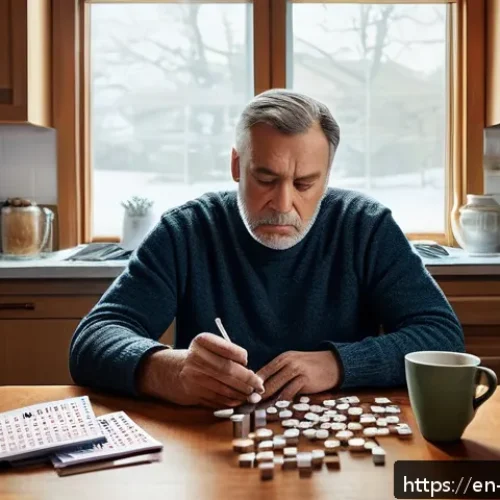
Gambling addiction, or gambling disorder, is a serious mental health condition that can impact anyone, regardless of age, gender, or background. It’s more than just a bad habit; it’s a complex biopsychosocial disorder with devastating financial, psychological, and social consequences for individuals and their families.
In our increasingly digital world, the accessibility of online gambling has amplified these challenges, making it easier than ever for recreational betting to spiral into a compulsive, uncontrollable need.
I’ve seen firsthand how quickly this can happen, how the initial thrill can become a desperate chase, leaving people feeling isolated, anxious, and overwhelmed by guilt and shame.
It’s a silent struggle for many, with a shocking number of individuals never seeking the help they so desperately need. But here’s the crucial part: there is hope, and effective treatments are available.
Over the years, our understanding of gambling addiction has grown, and with it, the innovative psychological approaches designed to help people reclaim their lives.
From tried-and-true methods like Cognitive Behavioral Therapy (CBT), which helps retrain thought patterns and develop coping skills, to emerging technology-based interventions and personalized support systems, the landscape of recovery is constantly evolving.
If you or someone you know is caught in this cycle, understanding these treatment pathways is the first powerful step towards healing. Let’s explore these psychological treatments and how they can make a real difference, helping individuals build a future free from the grip of gambling disorder.
We’re going to dive deep into how these therapies work, what the latest research tells us, and what you can do to find the right support. Let’s get into the specifics and empower ourselves with knowledge right now!Gambling addiction, or gambling disorder, is a serious mental health condition that can impact anyone, regardless of age, gender, or background.
It’s more than just a bad habit; it’s a complex biopsychosocial disorder with devastating financial, psychological, and social consequences for individuals and their families.
In our increasingly digital world, the accessibility of online gambling has amplified these challenges, making it easier than ever for recreational betting to spiral into a compulsive, uncontrollable need.
I’ve seen firsthand how quickly this can happen, how the initial thrill can become a desperate chase, leaving people feeling isolated, anxious, and overwhelmed by guilt and shame.
It’s a silent struggle for many, with a shocking number of individuals never seeking the help they so desperately need. But here’s the crucial part: there is hope, and effective treatments are available.
Over the years, our understanding of gambling addiction has grown, and with it, the innovative psychological approaches designed to help people reclaim their lives.
From tried-and-true methods like Cognitive Behavioral Therapy (CBT), which helps retrain thought patterns and develop coping skills, to emerging technology-based interventions and personalized support systems, the landscape of recovery is constantly evolving.
If you or someone you know is caught in this cycle, understanding these treatment pathways is the first powerful step towards healing. Let’s explore these psychological treatments and how they can make a real difference, helping individuals build a future free from the grip of gambling disorder.
We’re going to dive deep into how these therapies work, what the latest research tells us, and what you can do to find the right support. Let’s get into the specifics and empower ourselves with knowledge right now!
Unlocking Freedom: The Transformative Power of Cognitive Behavioral Therapy

Retraining Your Brain: How CBT Works
Oh, if I could shout one thing from the rooftops about treating gambling addiction, it would be the incredible impact of Cognitive Behavioral Therapy, or CBT.
I’ve personally seen and heard so many stories about how this approach truly empowers individuals to break free from the cycle. It’s not just about stopping the gambling; it’s about fundamentally changing how you think about it and how you react to those intense urges.
Think of it like this: for so long, your brain has been wired to associate gambling with certain feelings or situations, right? Maybe it’s a way to escape stress, or a misguided pursuit of that “big win.” CBT dives deep into these thought patterns, identifying the distortions and irrational beliefs that fuel the addiction.
For instance, many people with gambling disorder fall prey to the “gambler’s fallacy,” believing that past losses make a win more likely in the future.
CBT helps you challenge these erroneous thoughts head-on, replacing them with more realistic and healthier perspectives. It’s an active process, a journey of self-discovery where you learn to become aware of your triggers and develop robust, alternative responses.
It’s truly empowering to realize you can take control of your own mind.
Practical Skills for Everyday Life
What I love most about CBT is how incredibly practical it is. It’s not just talk therapy; it’s about equipping you with a toolbox of skills you can use in your daily life.
We’re talking about tangible strategies to manage cravings, cope with high-risk situations, and navigate the emotional rollercoasters that come with recovery.
For example, a common technique is “urge surfing,” where you learn to acknowledge an urge without acting on it, observing it like a wave that will eventually pass.
Another powerful tool is “stimulus control,” which involves actively avoiding environments, people, or situations that trigger gambling urges. This could mean unfollowing gambling-related social media accounts, blocking gambling sites, or even taking a different route home to avoid passing a casino.
I’ve always found that the more specific and actionable the strategies are, the more successful people tend to be. It’s about building a new routine, brick by brick, that supports a life free from gambling.
The initial stages can feel tough, like learning a new language, but with consistent practice, these skills become second nature, truly transforming your response to temptation.
Beyond the Basics: Exploring Other Effective Psychotherapies
Motivational Interviewing: Igniting Your Inner Drive
While CBT is a powerhouse, it’s certainly not the only game in town when it comes to psychological treatments. Another approach that’s made a significant difference for many is Motivational Interviewing (MI).
I often describe MI as a gentle but incredibly effective way to help someone tap into their own reasons for wanting to change. When I’ve seen MI in action, it’s clear that it’s not about the therapist telling someone what they *should* do, but rather guiding them to articulate their *own* motivations.
Think about it: when you feel like you’re being lectured, don’t you naturally put up a wall? MI sidesteps that entirely by creating a safe space for individuals to explore the pros and cons of their gambling behavior and, more importantly, to discover their own intrinsic desire for a different future.
It’s all about empathy, rolling with resistance, and helping the person identify their “change talk.” This approach is particularly powerful for those who might be feeling ambivalent about recovery, helping them move from “maybe I should” to “I *can* do this.” It builds self-efficacy and strengthens commitment, which are absolutely crucial when facing such a formidable challenge.
Family Therapy: Healing Wounds Together
Gambling addiction isn’t just an individual struggle; it’s a family struggle. The ripple effects of this disorder often impact spouses, children, and other loved ones, creating a web of financial strain, emotional distance, and broken trust.
That’s why I’m such a strong advocate for family therapy as a vital component of recovery for many. It’s a space where everyone affected can come together to process the trauma, rebuild communication, and establish healthy boundaries.
I’ve witnessed firsthand how family sessions can help clarify misunderstandings, address enabling behaviors (often done out of love, but unknowingly harmful), and heal deep-seated resentments.
It’s not about blaming anyone; it’s about understanding the systemic dynamics at play and working collaboratively towards a healthier family unit. When the whole family is educated about the nature of addiction and equipped with coping strategies, the individual in recovery gains an invaluable support network that understands the journey.
This collective healing can be incredibly powerful, transforming what was once a source of division into a foundation of strength.
Building Your Unshakeable Support System
The Power of Peer Support Groups
When I talk about recovery, one of the first things that comes to mind is the absolute necessity of a strong support system. And honestly, there’s nothing quite like the understanding you get from people who have walked in your shoes.
That’s where peer support groups, like Gamblers Anonymous (GA), become absolute lifelines. These groups offer a unique environment where individuals can share their experiences without judgment, find solidarity, and gain practical advice from those who are actively navigating recovery.
I’ve heard countless stories from people who felt utterly alone in their struggle until they stepped into a GA meeting and realized they were among friends who truly ‘get it.’ The anonymity fosters a sense of safety, allowing for raw honesty about the challenges and triumphs of sobriety.
The shared commitment to a gambling-free life, coupled with the wisdom of the group, creates an incredibly powerful force for positive change. It’s not just about attending meetings; it’s about becoming part of a community that offers encouragement, accountability, and genuine camaraderie.
Leveraging Technology for Connection and Recovery
In our modern world, support doesn’t always have to be in person. Technology has truly revolutionized how people can connect and find help, especially for something as private as gambling addiction.
Online forums, dedicated recovery apps, and even virtual support groups are becoming increasingly popular and effective. I’ve seen how these digital platforms can be particularly beneficial for those in rural areas, individuals with mobility issues, or simply anyone who prefers the convenience and discretion of online interaction.
They provide instant access to resources, opportunities to share experiences, and a constant source of encouragement right at your fingertips. Imagine having a bad day and being able to instantly connect with someone who understands, offering a calming word or a practical tip.
It’s about making support accessible 24/7, bridging geographical gaps, and integrating recovery into the rhythm of daily life. The key is finding a reputable and moderated platform that provides a safe and supportive environment.
Navigating the Digital Maze: Treating Online Gambling Addiction
Unique Challenges of the Virtual World
Let’s be real: the landscape of gambling has changed drastically. With online casinos, sports betting apps, and virtual poker rooms just a tap away on our phones, gambling has never been more accessible or insidious.
This presents a whole new set of challenges when it comes to treatment. The anonymity of online gambling can make it easier to hide the problem, even from close family members.
There are no flashing lights or casino doors to walk through; it’s all happening discreetly on a screen. I’ve heard from so many individuals who describe losing track of time and money, getting completely absorbed in the virtual world, sometimes gambling for hours without realizing it.
The speed of transactions, the constant notifications, and the cleverly designed interfaces that mimic video games can all contribute to a faster progression of addiction.
It’s a completely different beast than traditional gambling, demanding specific strategies to combat its unique allure and pervasive presence in our digital lives.
Specialized Digital Interventions and Controls

Given these new challenges, it’s fantastic to see that treatment approaches are also evolving to address online gambling addiction head-on. Beyond traditional therapies, there’s a growing emphasis on digital interventions and technological safeguards.
This can range from specialized software that blocks access to gambling sites and apps, to self-exclusion programs that individuals can sign up for, preventing them from accessing various online platforms.
I often recommend exploring these tools as an immediate practical step for anyone struggling with online gambling. Furthermore, some therapists are incorporating digital detox strategies into their treatment plans, helping clients reduce overall screen time and find healthier ways to engage with technology.
It’s about creating digital boundaries and re-establishing control over your online environment. It’s an uphill battle sometimes, but with the right tools and strategies, regaining control over your digital life is absolutely achievable.
The Road Ahead: Relapse Prevention and Long-Term Wellness
Understanding Triggers and Building Resilience
Recovery isn’t a one-and-done event; it’s a lifelong journey, and acknowledging that is incredibly important. One of the most crucial aspects of long-term wellness in recovery from gambling addiction is robust relapse prevention.
It’s not about fearing relapse, but understanding that it’s a possibility and having a concrete plan in place to navigate those moments. This involves a deep dive into identifying personal triggers – what situations, emotions, or even thoughts might lead you back to gambling?
For some, it might be financial stress, for others, loneliness or boredom. Once these triggers are identified, the work shifts to developing proactive coping mechanisms.
I’ve often seen people create “relapse prevention plans” that outline specific steps they’ll take if an urge hits, such as calling a sponsor, engaging in a healthy distraction, or reviewing their reasons for recovery.
It’s about building a mental fortress, brick by brick, against the siren call of gambling, strengthening your resolve with every step.
Cultivating a Life Worth Living: Beyond Abstinence
True recovery, in my experience, is about much more than just abstaining from gambling. It’s about building a fulfilling, meaningful life that makes gambling utterly unappealing.
This means actively pursuing hobbies, strengthening relationships, developing new skills, and finding healthy outlets for stress and emotions. I always encourage individuals to explore what truly brings them joy and meaning outside of gambling.
Is it spending time with family, volunteering, picking up a new sport, or diving into a creative pursuit? The more you invest in these positive aspects of your life, the less space and desire there will be for the old habits.
It’s about redefining your identity, moving from “a person with a gambling problem” to “a person living a vibrant, gambling-free life.” This holistic approach to wellness is what truly solidifies long-term recovery, ensuring that the journey is not just about avoiding something bad, but actively building something incredibly good.
| Treatment Type | Key Focus | Benefits |
|---|---|---|
| Cognitive Behavioral Therapy (CBT) | Identifying and challenging problematic thoughts and behaviors related to gambling. | Develops coping skills, changes distorted thinking, reduces urges, and helps create new habits. |
| Motivational Interviewing (MI) | Enhancing intrinsic motivation for change by exploring ambivalence and personal values. | Increases readiness for change, builds self-efficacy, and strengthens commitment to recovery. |
| Family Therapy | Addressing the impact of gambling addiction on family dynamics and relationships. | Improves communication, rebuilds trust, establishes healthy boundaries, and provides a supportive environment. |
| Gamblers Anonymous (GA) | Peer support group based on the 12-step program model. | Provides a supportive community, shared experiences, accountability, and practical advice from peers. |
| Digital Interventions | Using technology to block access to gambling sites and provide online support. | Offers immediate barriers to gambling, convenient access to resources, and anonymous support. |
When to Reach Out: Taking the Crucial First Step
Recognizing the Signs and Breaking the Silence
It’s incredibly difficult to admit you have a problem, especially something like gambling addiction, which carries so much stigma. But honestly, recognizing the signs is the absolute first, most courageous step you can take.
Are you finding yourself chasing losses, gambling more than you intend, or hiding your gambling activities from loved ones? Are you experiencing financial distress, relationship problems, or significant guilt and shame because of your gambling?
These are not just “bad habits” – these are flashing red lights indicating a serious issue. I’ve observed that many people try to manage it on their own for far too long, getting caught in a spiraling cycle of promises and broken resolutions.
The truth is, gambling addiction is a complex condition that rarely resolves without professional help. Breaking the silence, whether it’s by confiding in a trusted friend, a family member, or seeking out a professional, is a monumental act of self-care.
It’s saying, “I deserve better, and I’m ready to fight for my life back.”
Finding the Right Professional Support
Once you’ve made that brave decision to seek help, the next question is often, “Where do I even start?” It can feel overwhelming with so many options out there.
My advice? Look for professionals who specialize in addiction, particularly gambling disorder. This could be a licensed therapist, a psychologist, a psychiatrist, or an addiction counselor.
Don’t be afraid to ask about their experience, their therapeutic approach, and what kind of support they offer. Many organizations and national helplines also offer fantastic resources for finding local specialists and support groups.
For example, in the US, the National Council on Problem Gambling is an excellent starting point, offering a confidential helpline and resources. If you’re in the UK, GamCare provides similar vital services.
It’s all about finding someone you feel comfortable with, someone who truly understands the nuances of gambling addiction and can guide you through the recovery process with empathy and expertise.
Remember, you don’t have to navigate this alone; there’s a whole community of support waiting to help you reclaim your future.
Wrapping Things Up
As we bring our conversation to a close, I truly hope you feel a renewed sense of hope and clarity about the path to recovery from gambling addiction. It’s a complex journey, no doubt, but one filled with incredible potential for healing and transformation. Remember, taking that first brave step towards seeking help is a monumental act of self-love, and there’s a vast network of support and effective treatments waiting to empower you. You don’t have to carry this burden alone, and by embracing the tools and support systems available, a life free from the grip of gambling is absolutely within your reach. Keep believing in your ability to build a brighter, more fulfilling future.
Handy Information to Keep in Mind
Here are a few quick tips and resources that might just make a huge difference in your journey or for someone you care about:
1. Don’t Hesitate to Seek Professional Help: Gambling addiction is a recognized medical condition, and professional guidance from therapists specializing in addiction can provide tailored strategies and support. Many people find immense relief and progress with approaches like CBT and MI.
2. Connect with Peer Support: Groups like Gamblers Anonymous (GA) offer a unique and powerful sense of community. Sharing experiences and hearing from others who understand your struggle can be incredibly validating and a cornerstone of long-term recovery. Their meetings are confidential and welcoming.
3. Utilize Digital Safeguards: For online gambling, consider installing blocking software on your devices or signing up for self-exclusion programs offered by online gambling platforms. These tools create immediate barriers and can be crucial for regaining control over your digital environment.
4. Build a Strong Support Network: Beyond professional help and peer groups, lean on trusted friends, family, or mentors. Open communication about your journey can foster understanding and provide vital emotional support. Family therapy can also be a game-changer for healing relationships.
5. Focus on Holistic Wellness: Recovery isn’t just about stopping gambling; it’s about building a life you love. Explore new hobbies, engage in physical activity, practice mindfulness, and invest in activities that bring genuine joy and meaning. The more fulfilling your life becomes, the less appeal gambling will hold.
Key Takeaways
Embarking on the path to recovery from gambling addiction is a courageous and deeply personal journey, but it’s one you absolutely don’t have to face alone. Effective treatments like Cognitive Behavioral Therapy (CBT) equip you with practical skills to challenge destructive thought patterns and manage urges, while Motivational Interviewing (MI) helps you tap into your intrinsic desire for change. Remember the immense power of a robust support system, whether through peer groups like Gamblers Anonymous, family therapy, or leveraging modern digital interventions to create crucial boundaries. Recovery is a process of understanding triggers, building resilience, and actively cultivating a rich, meaningful life beyond gambling. Taking that first step to seek help is the most powerful move you can make towards reclaiming your freedom and building a future filled with hope and genuine well-being.
Frequently Asked Questions (FAQ) 📖
Q: How do I know if my gambling has crossed the line from just a bit of fun to a genuine problem, and what’s the very first step I should take?
A: This is such a critical question, and one I hear all the time! It’s easy for gambling to start as a casual pastime, but the line to addiction can be surprisingly subtle.
For me, a big red flag is when you start feeling like you have to gamble, not just that you want to. Are you spending more time or money than you intended?
Are you chasing losses, trying to win back money you’ve lost, even when you know it’s a bad idea? Maybe you’re hiding your gambling from loved ones, feeling guilty or anxious about it, or even using it to escape from other problems in your life.
If any of this resonates, trust your gut. The very first, and often hardest, step is simply acknowledging that there might be a problem. It takes incredible courage to face that, but believe me, it’s the most powerful step you can take towards getting your life back.
Don’t beat yourself up; just gently consider if it’s time to reach out.
Q: You mentioned Cognitive Behavioral Therapy (CBT) as a key treatment. What exactly do these psychological treatments entail, and how do they really help someone overcome gambling addiction?
A: Absolutely! CBT is a superstar in the world of addiction recovery, and it’s not the only one. Think of these treatments as a toolkit for your mind.
With CBT, for example, it’s all about helping you identify and change those unhelpful thought patterns and behaviors that fuel your gambling. You’ll learn to spot triggers – what situations, feelings, or thoughts make you want to gamble – and then develop healthy coping strategies instead of resorting to betting.
It’s truly empowering because it gives you practical skills you can use in real life. Beyond CBT, there’s Motivational Interviewing, which helps you explore and resolve your own ambivalence about changing, really tapping into your personal reasons for wanting to quit.
Group therapy is another fantastic option, offering a safe space where you can share experiences and gain insights from others on a similar journey. I’ve seen firsthand how hearing someone else’s story can make you feel less alone and more determined.
These therapies aren’t just about stopping gambling; they’re about understanding why you gamble and building a more fulfilling life without it.
Q: Recovery from gambling addiction sounds like a massive undertaking. Is long-term recovery truly achievable, and what does the path typically look like beyond the initial therapy sessions?
A: I hear you – it definitely can feel overwhelming at first. But let me tell you, yes, long-term recovery is absolutely possible, and I’ve witnessed incredible transformations.
It’s not just a pipe dream; it’s a reality for so many. The initial therapy sessions are often about stabilizing things and equipping you with those essential tools we just talked about.
But recovery isn’t a finish line; it’s an ongoing journey of growth and self-discovery. Beyond therapy, many people find immense support in programs like Gamblers Anonymous (GA), where shared experience provides a unique kind of strength and accountability.
It’s also about building a life that you genuinely love, one that’s full of healthier activities, stronger relationships, and new ways to find joy and challenge.
Relapses can happen, and if they do, it’s not a failure; it’s a bump in the road and an opportunity to learn and adjust your strategy. The key is to see it as a marathon, not a sprint, and to be kind to yourself every step of the way.
With consistent effort and the right support system, a life free from the grip of gambling disorder isn’t just a possibility – it’s within your reach.