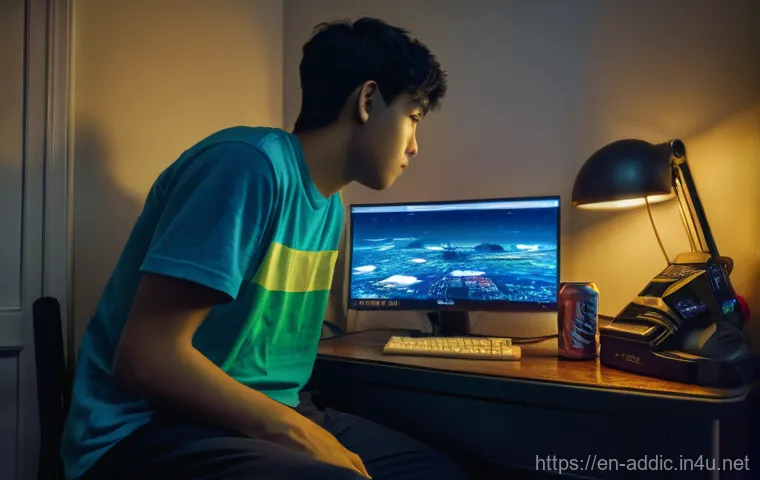
Hey there, fellow digital explorers! You know, it’s wild how much our lives have shifted online, right? From connecting with friends across continents to diving into incredible virtual worlds, games have become such a huge part of our culture.
I’ve personally seen how a quick gaming session can be a fantastic way to unwind, connect with friends, and even sharpen those cognitive skills. It’s truly amazing what interactive entertainment offers us.
But, let’s be real for a moment. Sometimes, that thrilling escape can start to feel less like a choice and more like a compulsion. I’ve noticed a growing buzz lately around the term “gaming disorder,” and it’s something that genuinely warrants our attention, especially with the World Health Organization recognizing it in their ICD-11.
It’s easy to dismiss excessive screen time, but recent trends show a real uptick in people, particularly younger generations, struggling to strike a healthy balance.
Understanding when a passion crosses into problematic territory isn’t always obvious, and the lines can blur pretty fast. Based on all my years diving deep into these digital landscapes, and hearing countless stories, I’ve come to realize that recognizing the subtle shifts in behavior and mood is absolutely key.
So, how do we spot the red flags without panicking? How do we differentiate a dedicated gamer from someone facing genuine challenges? Let’s unpack the signs and symptoms of gaming addiction with clarity and compassion right now!
When the Joystick Becomes a Chain: Identifying the Early Warning Signs

You know, it’s funny how easily we can rationalize things when they’re enjoyable. I’ve been there, thinking, “just one more quest,” or “I’ll stop after this match.” For most of us, it’s harmless, a way to blow off steam after a long day. But over my many years immersed in the digital world, I’ve seen firsthand how those little rationalizations can slowly, almost imperceptibly, start to pile up. The lines between passion and preoccupation can blur, and what was once a fun escape begins to feel less like a choice and more like an obligation. It’s not about playing a lot; it’s about the *control* – or lack thereof – that starts to emerge. My experience has taught me that spotting these subtle shifts early on is absolutely vital. We’re talking about things that might seem minor at first, like pushing back bedtime for a late-night raid, but these can gradually escalate into something more significant if left unchecked. It’s about recognizing when the game starts to dictate your life, rather than being a part of it. The key isn’t to demonize gaming, which can be an incredibly rich and social experience, but to equip ourselves with the understanding to protect our well-being.
Loss of Control and Escalation: The Slippery Slope
One of the most telling signs I’ve observed, both in others and even in my own past struggles with maintaining balance, is a palpable loss of control. It’s when you set a time limit for yourself, genuinely intending to stick to it, only to find hours have vanished without a trace. You tell yourself, “Just thirty minutes,” and suddenly the sun is rising. This isn’t just about poor time management; it’s a persistent pattern where gaming sessions become longer and more frequent than intended. It often starts innocently enough, perhaps just playing a bit longer on a free afternoon. But then, that “bit longer” becomes an everyday occurrence, bleeding into responsibilities and cutting into essential activities. I’ve heard countless stories, and my own observations confirm, that this escalation is a hallmark of the issue. The initial thrill might fade, but the compulsion to continue or increase play remains, almost like chasing a diminishing high. It’s a subtle but powerful shift, and one that requires honest self-reflection.
Prioritizing Pixels Over People: Shifting Life Priorities
Another crucial indicator, and one that often causes significant friction in real-world relationships, is when gaming begins to overshadow other aspects of life that were once important. Think about it: cancelling plans with friends, neglecting hobbies you once loved, or even letting schoolwork or job responsibilities slide. I recall a friend who, despite being a brilliant student, started missing deadlines because he was glued to a new MMORPG. It wasn’t that he didn’t care about his grades; it was that the game had a stronger pull, offering immediate gratification and a sense of accomplishment that felt more accessible than his studies. This isn’t just about choosing to play a game; it’s about feeling unable to *not* play, even when faced with clear negative consequences in other areas of life. Family gatherings, exercise routines, healthy eating habits, even personal hygiene can take a backseat. When you start to feel genuinely resentful or anxious about being pulled away from your screen, that’s a pretty strong signal that your priorities might have become skewed.
The Unseen Battles: Mental and Physical Tolls of Imbalance
It’s easy to think of gaming as a purely mental activity, but the reality is that when it veers into problematic territory, the impact reverberates throughout our entire being. I’ve witnessed the transformation firsthand, from vibrant, engaged individuals to shadows of their former selves, burdened by chronic fatigue and a perpetual sense of unease. My own journey, and those I’ve supported, has revealed that the physical and mental health consequences are often the most difficult to confront, precisely because they accumulate slowly. It’s not an overnight switch; it’s a gradual erosion of well-being. Sleep patterns get utterly destroyed, leading to a constant state of exhaustion that makes focusing on anything outside the game incredibly challenging. The sedentary lifestyle often associated with prolonged gaming can also lead to aches, pains, and other physical ailments that are easily dismissed until they become chronic. More insidiously, the mental health aspect can be truly debilitating. The escapism that games offer can become a crutch, preventing individuals from developing healthier coping mechanisms for stress or difficult emotions, ultimately exacerbating underlying issues.
Emotional Volatility and Withdrawal: The Mood Swings
One of the most striking changes I’ve observed in those struggling with gaming disorder is a profound shift in emotional regulation. When unable to play, or when interrupted, they often display significant irritability, anxiety, or even sadness. It’s not just mild annoyance; we’re talking about disproportionate anger or a deep sense of despair. I’ve seen teenagers lash out at parents simply for suggesting a break, or adults become visibly agitated when internet connectivity fails. Conversely, when immersed in the game, these individuals might seem overly euphoric or intensely focused, creating a stark contrast to their demeanor offline. This emotional seesaw can be incredibly confusing and distressing for both the individual and their loved ones. It points to a deep psychological dependence, where the game becomes the primary, and sometimes only, source of emotional stability or pleasure. The world outside the game starts to feel dull, frustrating, or meaningless in comparison, leading to a vicious cycle of withdrawal and intensified play.
Physical Neglect and Health Risks: Ignoring the Body’s Signals
Beyond the mental strain, the physical consequences of gaming in an unhealthy way are often overlooked until they become severe. I’ve personally felt the stiffness from hours of sitting, the eye strain from staring at a screen, and the general lethargy that sets in when exercise and fresh air are neglected. For those deeply entrenched in problematic gaming, these minor discomforts escalate into genuine health concerns. Poor sleep hygiene, often a direct result of late-night gaming sessions, can lead to chronic fatigue, weakened immune systems, and impaired cognitive function. Eating habits often deteriorate, with reliance on quick, unhealthy snacks over nutritious meals. Furthermore, conditions like carpal tunnel syndrome, “gamer’s thumb,” back pain, and even obesity become very real risks. It’s a stark reminder that our bodies are not infinitely resilient; they need care and movement. Ignoring these signals for the sake of “just one more level” is a dangerous path, one that can have long-lasting repercussions on overall health and vitality.
Here’s a quick overview of how problematic gaming can impact various aspects of life:
| Aspect of Life | Healthy Gaming | Problematic Gaming |
|---|---|---|
| Time Management | Structured, balanced with other activities. | Uncontrolled, consumes excessive time, disrupts schedules. |
| Social Interactions | Enhances connections, often with friends. | Replaces real-world interactions, social isolation. |
| Emotional State | Provides enjoyment, stress relief, relaxation. | Causes irritability, anxiety, depression when not playing. |
| Physical Health | Minimal impact, awareness of breaks/posture. | Sedentary lifestyle, poor sleep, neglected hygiene, physical ailments. |
| Academic/Work Performance | Can offer a creative outlet or break. | Leads to missed deadlines, decreased productivity, poor performance. |
Reclaiming the Reins: Strategies for a Healthier Relationship with Gaming
So, we’ve talked about the red flags, the things that scream, “Hey, something isn’t right here!” Now, let’s shift gears and talk about what we can *do* about it. Because believe me, realizing you might have a problem is the absolute hardest part, but it’s also the most courageous step you can take. My philosophy has always been about empowerment, not judgment. It’s not about quitting gaming forever unless that’s what truly serves you. For many, it’s about finding that sweet spot again, where games are a source of joy and connection, not a source of stress or compulsion. Think of it like a journey back to balance. I’ve personally tried various approaches and learned what works and what doesn’t, both through my own experiences and by watching countless others navigate this path. The key is finding strategies that resonate with you, that feel sustainable, and that slowly but surely shift your relationship with gaming back into a healthy, positive space. It takes patience, self-compassion, and sometimes, a little help from others, but it is absolutely achievable.
Setting Boundaries: The Power of the Pause Button
One of the first and most effective steps I’ve discovered is the art of setting clear, non-negotiable boundaries. This isn’t just about saying, “I’ll play less.” It’s about creating concrete rules that you commit to, just like you would with any other important aspect of your life. For instance, designate specific gaming times – maybe only after work/school is done, or only on weekends. Use timers, not just in-game ones, but actual kitchen timers or phone alarms, to signal the end of a session. I’ve personally found that physically stepping away from the screen for a predetermined break, even just 15 minutes every hour, makes a huge difference in preventing those endless gaming binges. It’s also incredibly helpful to establish “no-go” zones or times: no gaming in the bedroom, no gaming after 9 PM. These boundaries act as external cues, helping to retrain your brain and break the cycle of automatic play. It’s tough at first, a bit like flexing a new muscle, but with consistency, these boundaries become easier to maintain and incredibly liberating.
Finding Alternatives: Rediscovering the Offline World
Another crucial element, and one that often brings unexpected joy, is consciously re-engaging with activities and interests outside of gaming. When gaming takes over, it often pushes out other passions, leaving a void. Filling that void with enriching, real-world experiences is incredibly therapeutic. Think back to hobbies you once loved – reading, hiking, playing an instrument, cooking, working out, or even just spending time with friends *without* a screen in front of you. My advice? Don’t just wait for motivation; actively schedule these activities. Join a local club, pick up an old book, or plan a walk in a nearby park. It’s about reminding yourself that life offers a kaleidoscope of experiences beyond the digital realm. This isn’t about replacing one addiction with another; it’s about diversifying your sources of fulfillment and pleasure. The more rich and varied your offline life becomes, the less intensely you’ll feel the pull of the game, and the more balanced your overall well-being will be.
Building a Strong Support
It’s easy to feel isolated when you’re struggling with something like gaming imbalance, almost like you’re the only one experiencing it. Believe me, you are absolutely not alone. One of the most impactful lessons I’ve learned, both from my own journey and from observing countless others, is the incredible power of a strong support system. Trying to navigate this alone is like trying to climb Mount Everest without a rope – incredibly difficult, and frankly, unnecessary. Whether it’s confiding in a trusted friend, opening up to family members, or seeking professional guidance, having people in your corner makes all the difference. It takes immense courage to admit you might need help, but that vulnerability is truly a superpower in disguise. A good support system offers not just emotional backing, but also practical encouragement, accountability, and a different perspective when you’re too close to the situation to see clearly. It’s about remembering that while your journey is personal, you don’t have to walk it in solitude. Reach out; you’ll often find more understanding and willingness to help than you ever expected.
Connecting with Trustworthy Friends and Family: Opening Up
When you’re dealing with something as personal as struggling with gaming, the idea of talking about it can feel daunting. But honestly, reaching out to friends and family who genuinely care about you is often the first and most crucial step. I’ve found that simply articulating what you’re going through, even if it’s just to say, “I’m worried about how much I’m gaming,” can lift an enormous weight. These are the people who know you best, who can offer encouragement, and who might even help you hold yourself accountable. You might be surprised to find that they’ve noticed your habits too and have been waiting for you to bring it up. They can help you plan alternative activities, remind you of your goals, or simply be there to listen without judgment. It’s about building a team around you, creating a safe space where you can be honest about your challenges and celebrate your small victories. Don’t underestimate the power of a heartfelt conversation and the unconditional support of those who love you.
Seeking Professional Guidance: When Extra Help is Needed
Sometimes, despite our best efforts and the support of loved ones, the patterns of problematic gaming can be deeply entrenched, making it incredibly difficult to break free on our own. This is where professional help becomes invaluable. There’s absolutely no shame in seeking out a therapist, counselor, or a support group specializing in behavioral addictions. In my experience, these professionals offer tools, strategies, and insights that we might not have considered. They can help identify underlying issues contributing to the excessive gaming, such as anxiety, depression, or stress, and guide you through healthier coping mechanisms. Therapy provides a confidential space to explore these challenges without judgment and develop personalized plans for recovery. Groups like Gaming Addicts Anonymous (GAA) or other peer support networks can also offer a sense of community, shared experiences, and practical advice from others who truly understand what you’re going through. Remember, asking for professional help isn’t a sign of weakness; it’s a profound act of self-care and a testament to your commitment to a healthier, more balanced life.
Cultivating a Balanced Digital Lifestyle: Smart Play, Smart Life
Alright, so we’ve talked about spotting the signs, making changes, and getting support. Now, let’s wrap this up by focusing on the ultimate goal: not just stopping problematic gaming, but actively cultivating a *balanced* digital lifestyle. This is where the real magic happens, where you get to enjoy the incredible benefits of gaming without letting it take over. My journey through the digital landscape has taught me that the internet, and games within it, are powerful tools. Like any tool, they can be used constructively or destructively. The aim isn’t to demonize them, but to master them, to ensure they serve us, rather than the other way around. It’s about intentionality, about making conscious choices regarding how and when we engage with screens. This isn’t a one-and-done solution; it’s an ongoing process of self-awareness and adjustment. The digital world is constantly evolving, and so too should our strategies for maintaining a healthy relationship with it. It’s about proactive management, setting yourself up for long-term success and genuine well-being in an increasingly connected world.
Mindful Gaming: Intentionality and Awareness
A key aspect of building a balanced digital life is practicing what I like to call “mindful gaming.” This means approaching your gaming sessions with a high degree of awareness and intention, rather than just falling into them passively. Before you even launch a game, ask yourself: Why am I playing right now? What do I hope to get out of this session? Am I looking to relax, connect with friends, or achieve a specific goal? Setting a clear intention helps you stay focused and recognize when you’ve met your goal, making it easier to step away. I’ve personally found that taking a few deep breaths before starting, and even after a particularly intense session, helps ground me. Also, pay attention to how you feel *during* and *after* playing. Are you genuinely enjoying yourself, or are you just going through the motions? Do you feel refreshed or drained? Being present and honest with yourself about these feelings is incredibly powerful. It transforms gaming from a mindless habit into a conscious choice, allowing you to truly savor the experience without letting it consume you.
Leveraging Technology for Good: Digital Wellness Tools
It might seem counterintuitive, but technology itself can be a powerful ally in building a more balanced digital lifestyle. There are countless digital wellness tools and features built into our devices and operating systems that can help you manage screen time and gaming habits. Think about screen time trackers on your smartphone that show you exactly how much time you’re spending on various apps. Many gaming platforms now offer built-in features that let you set play limits, send reminders to take breaks, or even track your overall playtime. I’ve experimented with several apps that block access to certain games or websites after a set period, forcing me to take a break. These tools aren’t meant to be punitive; they’re designed to empower you by providing data and creating friction against impulsive gaming. Use them to your advantage! Set up notifications, utilize parental controls (even for yourself!), and explore browser extensions that promote healthier digital habits. It’s about being proactive and using the very tools that can distract us to instead help us stay on track and maintain control.
Bringing It All Together
So, we’ve journeyed through the subtle signs of when gaming might shift from a beloved pastime to a challenging preoccupation, explored the often-unseen tolls it can take on our mental and physical well-being, and discussed practical strategies for reclaiming that vital sense of balance. What I truly want you to take away from all this isn’t a sense of guilt or judgment, but rather a powerful message of empowerment. Recognizing the issue, understanding its nuances, and actively seeking solutions are incredibly brave steps. Remember, gaming itself isn’t the enemy; it’s about how we integrate it into our lives. By cultivating awareness, setting thoughtful boundaries, and nurturing our real-world connections, we can transform our digital experiences into enriching, rather than draining, ones. It’s a journey, not a destination, and one that promises a more fulfilling and harmonious life.
Handy Tips for a Healthier Balance
Navigating the complexities of our digital world doesn’t have to be overwhelming. Here are some quick, actionable tips I’ve picked up along the way that can make a real difference in fostering a more balanced relationship with gaming and technology:
1. Schedule Your Play, Don’t Let It Schedule You: Just like you would any important appointment, dedicate specific, limited time slots for gaming. Use timers – real-world ones, not just in-game notifications – to signal when it’s time to take a break or switch to another activity. This simple act of intentional scheduling puts you back in the driver’s seat.
2. Rediscover Offline Passions: Think back to hobbies you loved before gaming became a major part of your life. Whether it’s reading, hiking, cooking, or learning an instrument, actively re-engage with these activities. Filling your life with diverse sources of joy and fulfillment naturally lessens the pull of solely digital entertainment.
3. Leverage Digital Wellness Tools: Many smartphones, operating systems, and even gaming platforms now offer built-in features to help manage screen time. Explore these settings! Set app limits, schedule “downtime,” or use “do not disturb” modes during critical periods. These tools are designed to support you in maintaining control, not to punish you.
4. Communicate Openly with Loved Ones: Share your intentions and struggles with trusted friends or family members. Their understanding and encouragement can be invaluable. They can offer accountability, suggest alternative activities, or simply be a listening ear when you need to talk things through. You’ll often find they’re more supportive than you expect.
5. Don’t Shy Away from Professional Help: If you find yourself consistently struggling despite your best efforts, please know that seeking professional guidance is a sign of strength, not weakness. Therapists and counselors specializing in behavioral addictions can provide tailored strategies, support, and insights to help you navigate this journey effectively. There are also many support groups available that offer a sense of community and shared understanding.
Key Takeaways
At the heart of building a healthier relationship with gaming lies self-awareness and proactive management. Remember, the early warning signs often include a noticeable loss of control over your gaming time, where sessions extend far beyond your intentions, coupled with a significant shift in priorities, pushing real-world responsibilities and relationships to the backseat. The mental and physical tolls, such as increased irritability, anxiety, sleep disturbances, and physical neglect, are strong indicators that your balance has been disrupted. To reclaim control, focus on establishing clear, non-negotiable boundaries for your gaming, actively seeking out and engaging in alternative hobbies and social connections that enrich your life outside the screen, and building a robust support system, whether that’s through trusted friends and family or professional guidance. The ultimate goal isn’t necessarily to eliminate gaming, but to cultivate a mindful, intentional digital lifestyle where games serve as a source of enjoyment and connection, rather than a compulsion that detracts from your overall well-being. This journey requires ongoing effort and self-compassion, but the rewards of a balanced life are truly immeasurable.
Frequently Asked Questions (FAQ) 📖
Q: What exactly is “Gaming Disorder,” and why has it become such a hot topic recently?
A: That’s a fantastic starting point! From what I’ve gathered and observed, “Gaming Disorder” isn’t just about spending a lot of time playing video games.
We all love a good binge session now and then, right? What truly defines it, and why it’s gaining so much attention, is the World Health Organization’s (WHO) official inclusion of it in their International Classification of Diseases (ICD-11).
This recognition is a huge deal because it signals that the scientific and medical community now sees it as a legitimate health condition, not just a bad habit.
Essentially, a Gaming Disorder is characterized by a pattern of gaming behavior (“digital” or “video-gaming”) that is severe enough to result in significant impairment in personal, family, social, educational, occupational, or other important areas of functioning.
It’s marked by impaired control over gaming, an increasing priority given to gaming over other life interests and daily activities, and the continuation or escalation of gaming despite the occurrence of negative consequences.
When I first started looking into this, I personally believed it was crucial for us to distinguish between being a passionate gamer and someone whose gaming habits are truly causing distress and dysfunction in their life.
The conversation around it has intensified because more people are reporting struggles, and we need clear guidelines to help those who need it most.
Q: How can I tell the difference between someone who just really loves gaming and someone who might be struggling with a gaming disorder? What are the actual red flags I should look out for?
A: This is probably the most common question I get, and honestly, it’s a tricky one because the line can feel incredibly blurry. We all know someone who practically lives in their gaming chair, and that’s usually fine!
The key differentiator, from my experience and what experts share, boils down to impairment and distress. Are their gaming habits causing serious problems in their life?
Some real red flags to watch for, both in yourself and in others, include: losing control over gaming time—like saying you’ll play for an hour but ending up playing for six; neglecting responsibilities at work, school, or even basic hygiene because gaming takes precedence; withdrawing from friends, family, or other hobbies they once enjoyed; lying about how much time they spend gaming; using gaming as their primary way to escape from problems, stress, or uncomfortable emotions; and becoming extremely irritable, anxious, or sad when they’re unable to game.
I’ve talked to so many people who felt a huge sense of guilt but just couldn’t stop. It’s also about the duration of these behaviors—the WHO suggests these patterns should be evident for at least 12 months for a diagnosis, though if you’re seeing persistent issues, it’s definitely worth looking into sooner rather than later.
For me, if I notice that someone’s passion is actively damaging their life, their relationships, or their well-being, that’s when my alarm bells start ringing.
Q: If I suspect that I or someone I know might be developing a gaming disorder, what are the best steps to take to get help or manage the situation effectively?
A: If those red flags resonate with you, the first and often hardest step is acknowledging that there might be a problem. Trust me, I’ve seen this firsthand; admitting it to yourself or a loved one is a huge leap.
Once that step is taken, the most effective course of action is to seek professional help. Don’t be afraid to reach out to mental health professionals, especially therapists who specialize in addiction or behavioral issues.
They can provide an accurate diagnosis and develop a personalized treatment plan. Beyond that, and speaking from what I’ve heard works best for many, try talking openly with trusted friends or family members.
Building a support system is incredibly powerful. Practically, you can start by setting clear boundaries and schedules for gaming time, and actually sticking to them – maybe use timers or accountability apps.
Critically, find alternative activities and hobbies that you genuinely enjoy in the real world. Re-engage with old interests, try new ones, or make an effort to spend more time outdoors.
Prioritizing real-world connections and self-care, like getting enough sleep, eating well, and exercising, can also make a significant difference. It’s not a quick fix, and it takes dedication, but managing a gaming disorder is absolutely achievable with the right support and strategies.
It’s tough, but absolutely manageable, and taking that first step towards a healthier balance is incredibly brave.
📚 References
➤ 5. Building a Strong Support It’s easy to feel isolated when you’re struggling with something like gaming imbalance, almost like you’re the only one experiencing it.
Believe me, you are absolutely not alone. One of the most impactful lessons I’ve learned, both from my own journey and from observing countless others, is the incredible power of a strong support system.
Trying to navigate this alone is like trying to climb Mount Everest without a rope – incredibly difficult, and frankly, unnecessary. Whether it’s confiding in a trusted friend, opening up to family members, or seeking professional guidance, having people in your corner makes all the difference.
It takes immense courage to admit you might need help, but that vulnerability is truly a superpower in disguise. A good support system offers not just emotional backing, but also practical encouragement, accountability, and a different perspective when you’re too close to the situation to see clearly.
It’s about remembering that while your journey is personal, you don’t have to walk it in solitude. Reach out; you’ll often find more understanding and willingness to help than you ever expected.
– 5. Building a Strong Support It’s easy to feel isolated when you’re struggling with something like gaming imbalance, almost like you’re the only one experiencing it.
Believe me, you are absolutely not alone. One of the most impactful lessons I’ve learned, both from my own journey and from observing countless others, is the incredible power of a strong support system.
Trying to navigate this alone is like trying to climb Mount Everest without a rope – incredibly difficult, and frankly, unnecessary. Whether it’s confiding in a trusted friend, opening up to family members, or seeking professional guidance, having people in your corner makes all the difference.
It takes immense courage to admit you might need help, but that vulnerability is truly a superpower in disguise. A good support system offers not just emotional backing, but also practical encouragement, accountability, and a different perspective when you’re too close to the situation to see clearly.
It’s about remembering that while your journey is personal, you don’t have to walk it in solitude. Reach out; you’ll often find more understanding and willingness to help than you ever expected.
➤ Connecting with Trustworthy Friends and Family: Opening Up
– Connecting with Trustworthy Friends and Family: Opening Up
➤ When you’re dealing with something as personal as struggling with gaming, the idea of talking about it can feel daunting. But honestly, reaching out to friends and family who genuinely care about you is often the first and most crucial step.
I’ve found that simply articulating what you’re going through, even if it’s just to say, “I’m worried about how much I’m gaming,” can lift an enormous weight.
These are the people who know you best, who can offer encouragement, and who might even help you hold yourself accountable. You might be surprised to find that they’ve noticed your habits too and have been waiting for you to bring it up.
They can help you plan alternative activities, remind you of your goals, or simply be there to listen without judgment. It’s about building a team around you, creating a safe space where you can be honest about your challenges and celebrate your small victories.
Don’t underestimate the power of a heartfelt conversation and the unconditional support of those who love you.
– When you’re dealing with something as personal as struggling with gaming, the idea of talking about it can feel daunting. But honestly, reaching out to friends and family who genuinely care about you is often the first and most crucial step.
I’ve found that simply articulating what you’re going through, even if it’s just to say, “I’m worried about how much I’m gaming,” can lift an enormous weight.
These are the people who know you best, who can offer encouragement, and who might even help you hold yourself accountable. You might be surprised to find that they’ve noticed your habits too and have been waiting for you to bring it up.
They can help you plan alternative activities, remind you of your goals, or simply be there to listen without judgment. It’s about building a team around you, creating a safe space where you can be honest about your challenges and celebrate your small victories.
Don’t underestimate the power of a heartfelt conversation and the unconditional support of those who love you.
➤ Seeking Professional Guidance: When Extra Help is Needed
– Seeking Professional Guidance: When Extra Help is Needed
➤ Sometimes, despite our best efforts and the support of loved ones, the patterns of problematic gaming can be deeply entrenched, making it incredibly difficult to break free on our own.
This is where professional help becomes invaluable. There’s absolutely no shame in seeking out a therapist, counselor, or a support group specializing in behavioral addictions.
In my experience, these professionals offer tools, strategies, and insights that we might not have considered. They can help identify underlying issues contributing to the excessive gaming, such as anxiety, depression, or stress, and guide you through healthier coping mechanisms.
Therapy provides a confidential space to explore these challenges without judgment and develop personalized plans for recovery. Groups like Gaming Addicts Anonymous (GAA) or other peer support networks can also offer a sense of community, shared experiences, and practical advice from others who truly understand what you’re going through.
Remember, asking for professional help isn’t a sign of weakness; it’s a profound act of self-care and a testament to your commitment to a healthier, more balanced life.
– Sometimes, despite our best efforts and the support of loved ones, the patterns of problematic gaming can be deeply entrenched, making it incredibly difficult to break free on our own.
This is where professional help becomes invaluable. There’s absolutely no shame in seeking out a therapist, counselor, or a support group specializing in behavioral addictions.
In my experience, these professionals offer tools, strategies, and insights that we might not have considered. They can help identify underlying issues contributing to the excessive gaming, such as anxiety, depression, or stress, and guide you through healthier coping mechanisms.
Therapy provides a confidential space to explore these challenges without judgment and develop personalized plans for recovery. Groups like Gaming Addicts Anonymous (GAA) or other peer support networks can also offer a sense of community, shared experiences, and practical advice from others who truly understand what you’re going through.
Remember, asking for professional help isn’t a sign of weakness; it’s a profound act of self-care and a testament to your commitment to a healthier, more balanced life.
➤ Cultivating a Balanced Digital Lifestyle: Smart Play, Smart Life
– Cultivating a Balanced Digital Lifestyle: Smart Play, Smart Life
➤ Alright, so we’ve talked about spotting the signs, making changes, and getting support. Now, let’s wrap this up by focusing on the ultimate goal: not just stopping problematic gaming, but actively cultivating a *balanced* digital lifestyle.
This is where the real magic happens, where you get to enjoy the incredible benefits of gaming without letting it take over. My journey through the digital landscape has taught me that the internet, and games within it, are powerful tools.
Like any tool, they can be used constructively or destructively. The aim isn’t to demonize them, but to master them, to ensure they serve us, rather than the other way around.
It’s about intentionality, about making conscious choices regarding how and when we engage with screens. This isn’t a one-and-done solution; it’s an ongoing process of self-awareness and adjustment.
The digital world is constantly evolving, and so too should our strategies for maintaining a healthy relationship with it. It’s about proactive management, setting yourself up for long-term success and genuine well-being in an increasingly connected world.
– Alright, so we’ve talked about spotting the signs, making changes, and getting support. Now, let’s wrap this up by focusing on the ultimate goal: not just stopping problematic gaming, but actively cultivating a *balanced* digital lifestyle.
This is where the real magic happens, where you get to enjoy the incredible benefits of gaming without letting it take over. My journey through the digital landscape has taught me that the internet, and games within it, are powerful tools.
Like any tool, they can be used constructively or destructively. The aim isn’t to demonize them, but to master them, to ensure they serve us, rather than the other way around.
It’s about intentionality, about making conscious choices regarding how and when we engage with screens. This isn’t a one-and-done solution; it’s an ongoing process of self-awareness and adjustment.
The digital world is constantly evolving, and so too should our strategies for maintaining a healthy relationship with it. It’s about proactive management, setting yourself up for long-term success and genuine well-being in an increasingly connected world.
➤ A key aspect of building a balanced digital life is practicing what I like to call “mindful gaming.” This means approaching your gaming sessions with a high degree of awareness and intention, rather than just falling into them passively.
Before you even launch a game, ask yourself: Why am I playing right now? What do I hope to get out of this session? Am I looking to relax, connect with friends, or achieve a specific goal?
Setting a clear intention helps you stay focused and recognize when you’ve met your goal, making it easier to step away. I’ve personally found that taking a few deep breaths before starting, and even after a particularly intense session, helps ground me.
Also, pay attention to how you feel *during* and *after* playing. Are you genuinely enjoying yourself, or are you just going through the motions? Do you feel refreshed or drained?
Being present and honest with yourself about these feelings is incredibly powerful. It transforms gaming from a mindless habit into a conscious choice, allowing you to truly savor the experience without letting it consume you.
– A key aspect of building a balanced digital life is practicing what I like to call “mindful gaming.” This means approaching your gaming sessions with a high degree of awareness and intention, rather than just falling into them passively.
Before you even launch a game, ask yourself: Why am I playing right now? What do I hope to get out of this session? Am I looking to relax, connect with friends, or achieve a specific goal?
Setting a clear intention helps you stay focused and recognize when you’ve met your goal, making it easier to step away. I’ve personally found that taking a few deep breaths before starting, and even after a particularly intense session, helps ground me.
Also, pay attention to how you feel *during* and *after* playing. Are you genuinely enjoying yourself, or are you just going through the motions? Do you feel refreshed or drained?
Being present and honest with yourself about these feelings is incredibly powerful. It transforms gaming from a mindless habit into a conscious choice, allowing you to truly savor the experience without letting it consume you.
➤ Leveraging Technology for Good: Digital Wellness Tools
– Leveraging Technology for Good: Digital Wellness Tools